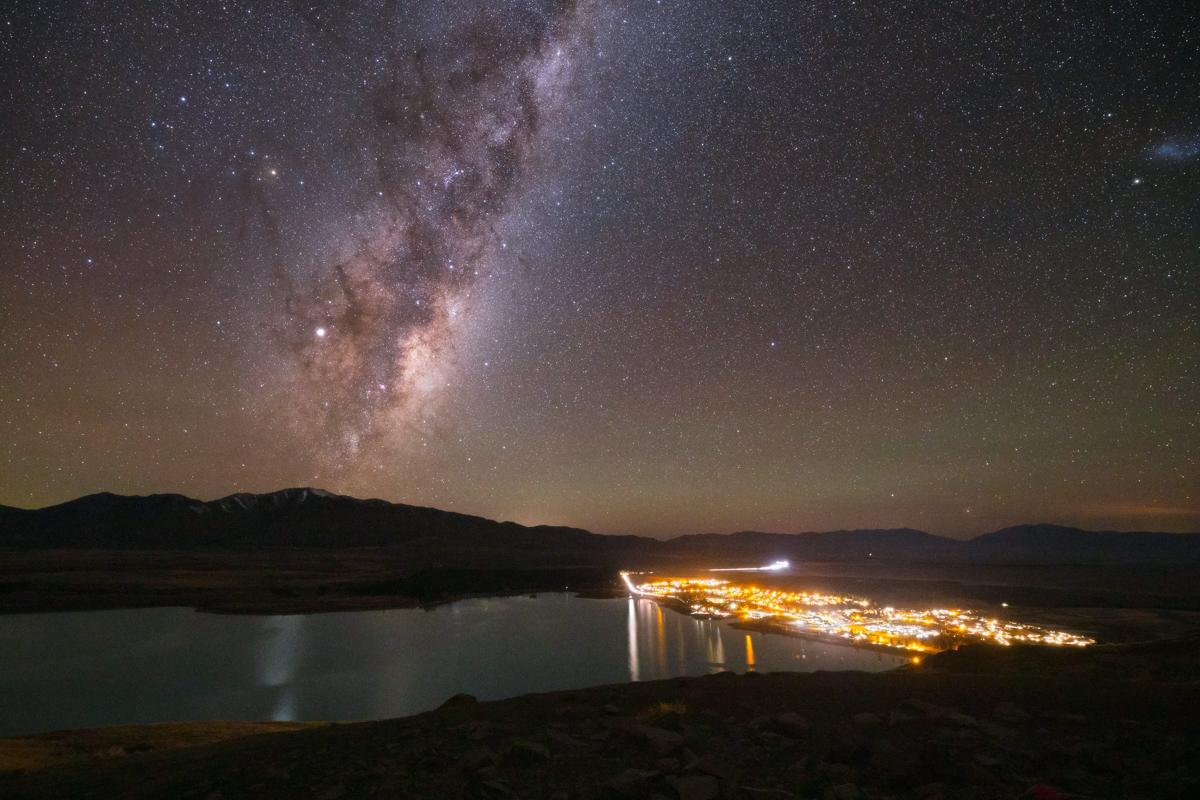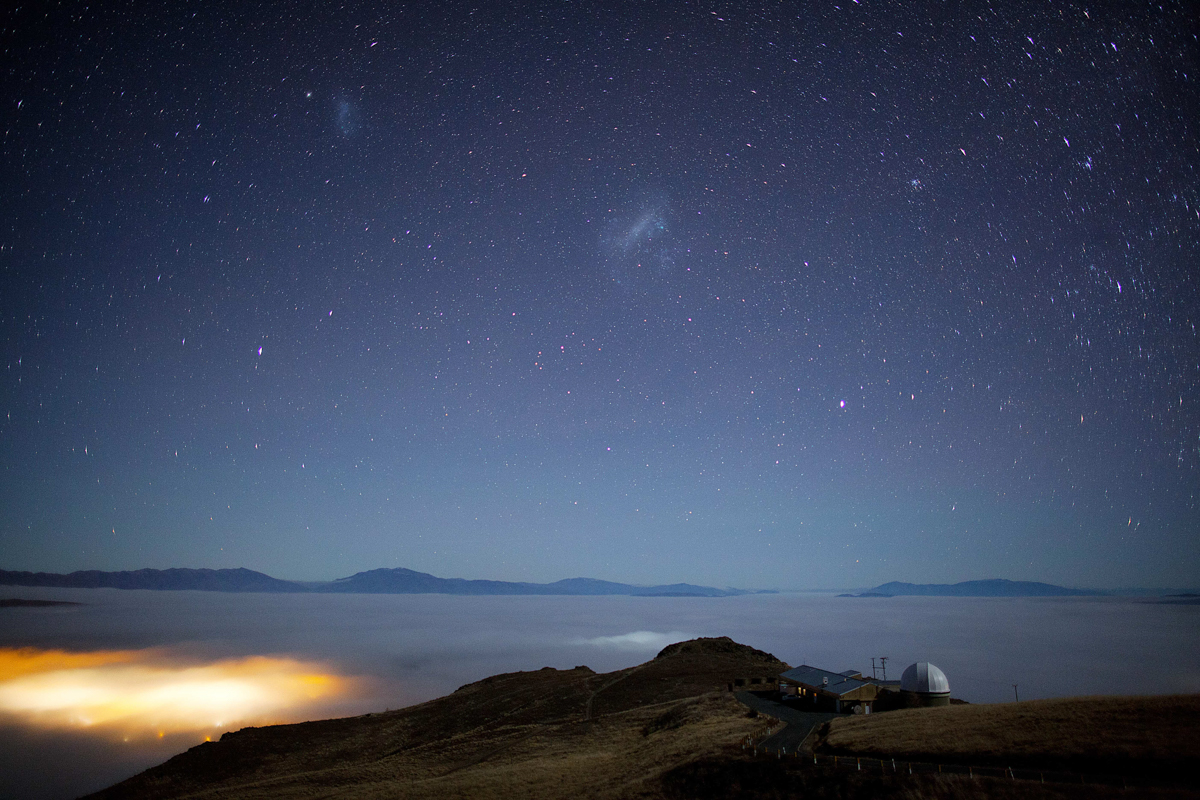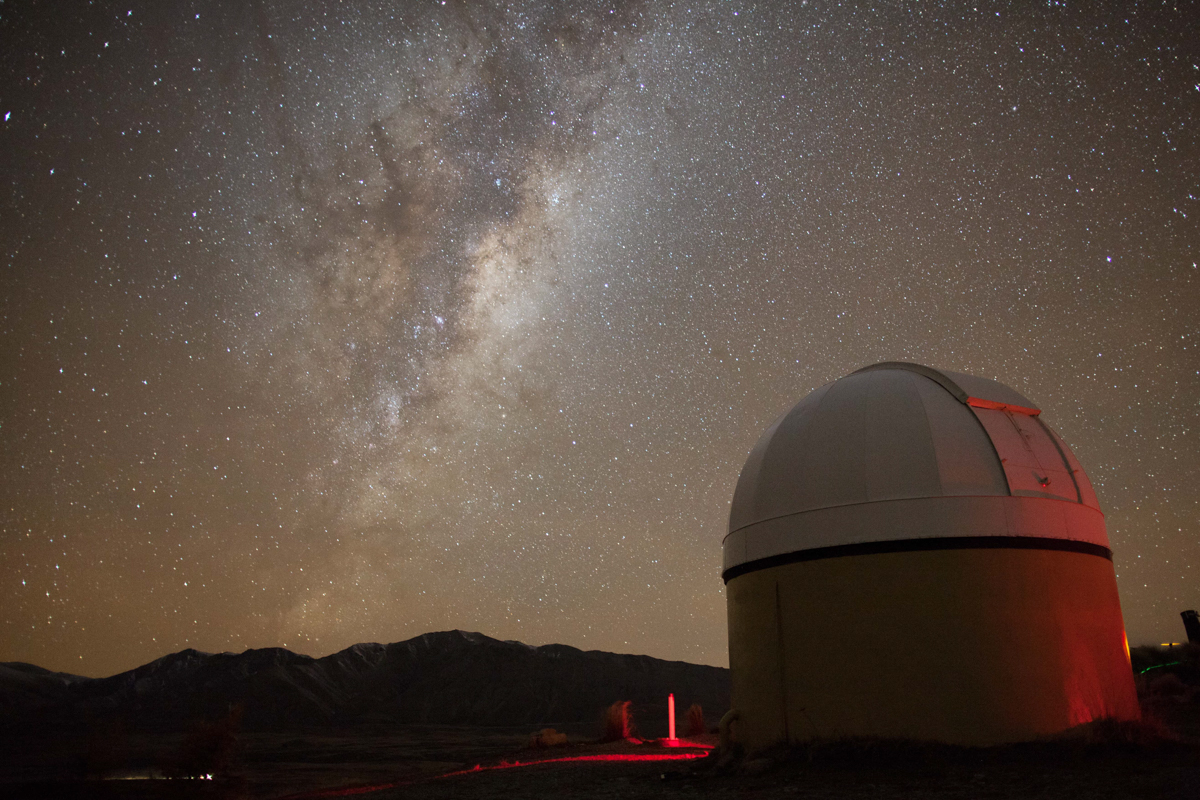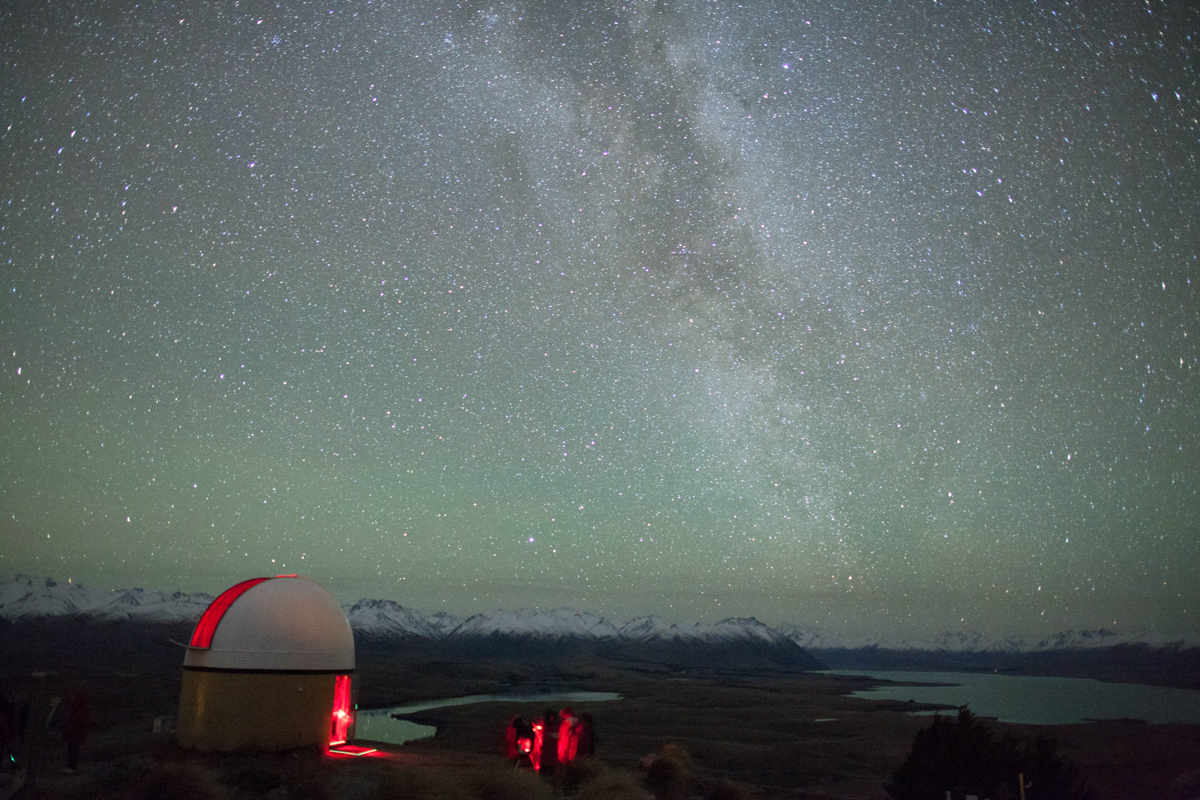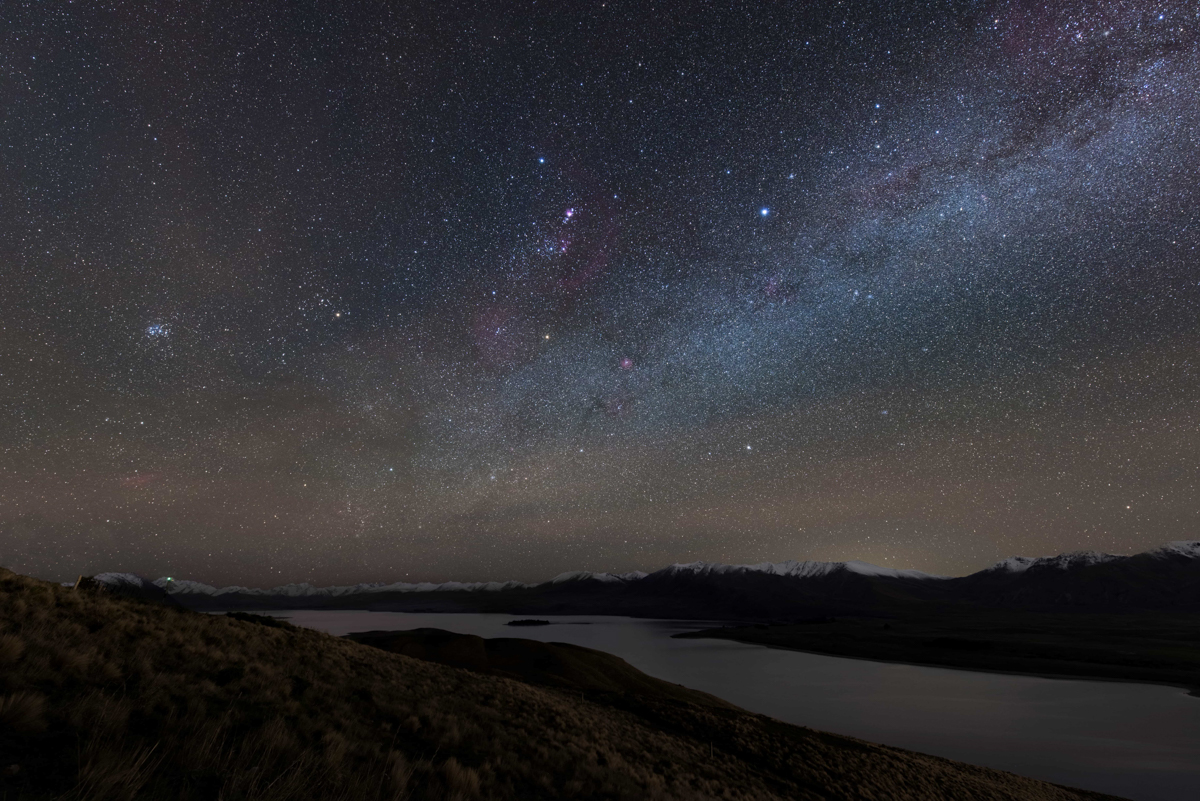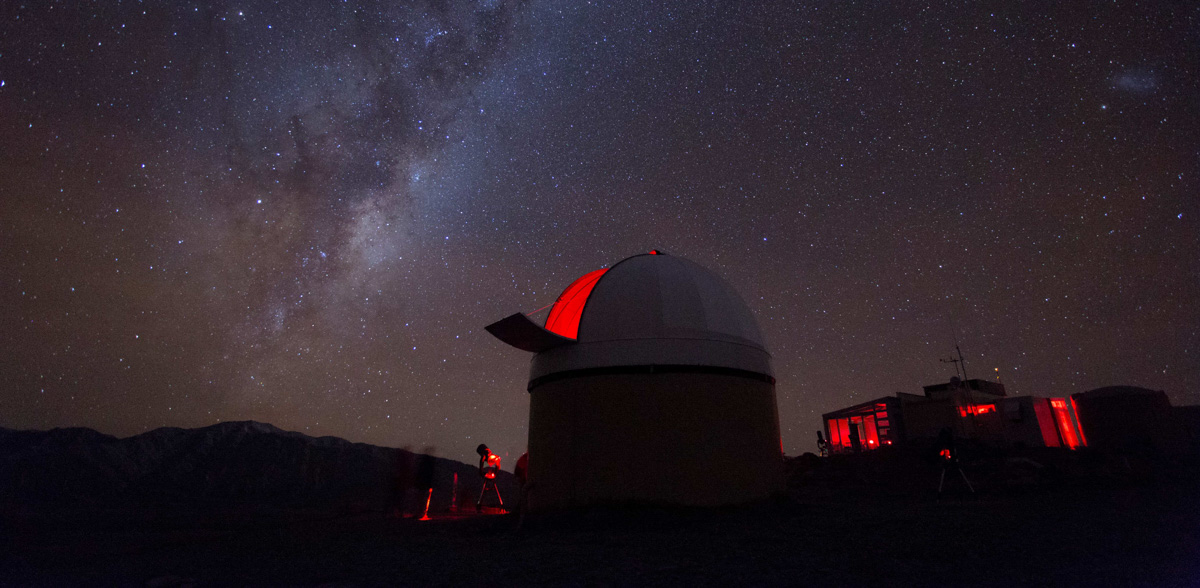
Lake Takapō (Tekapo) is one of the best places on Earth to stargaze - and the Summit Experience is the most extraordinary way to do it. This is your chance to explore the night sky from New Zealand’s only professional research observatory, located on the summit of Mount John, in the heart of the Aoraki Mackenzie International Dark Sky Reserve. In fact, it’s the southernmost facility of its kind in the world.
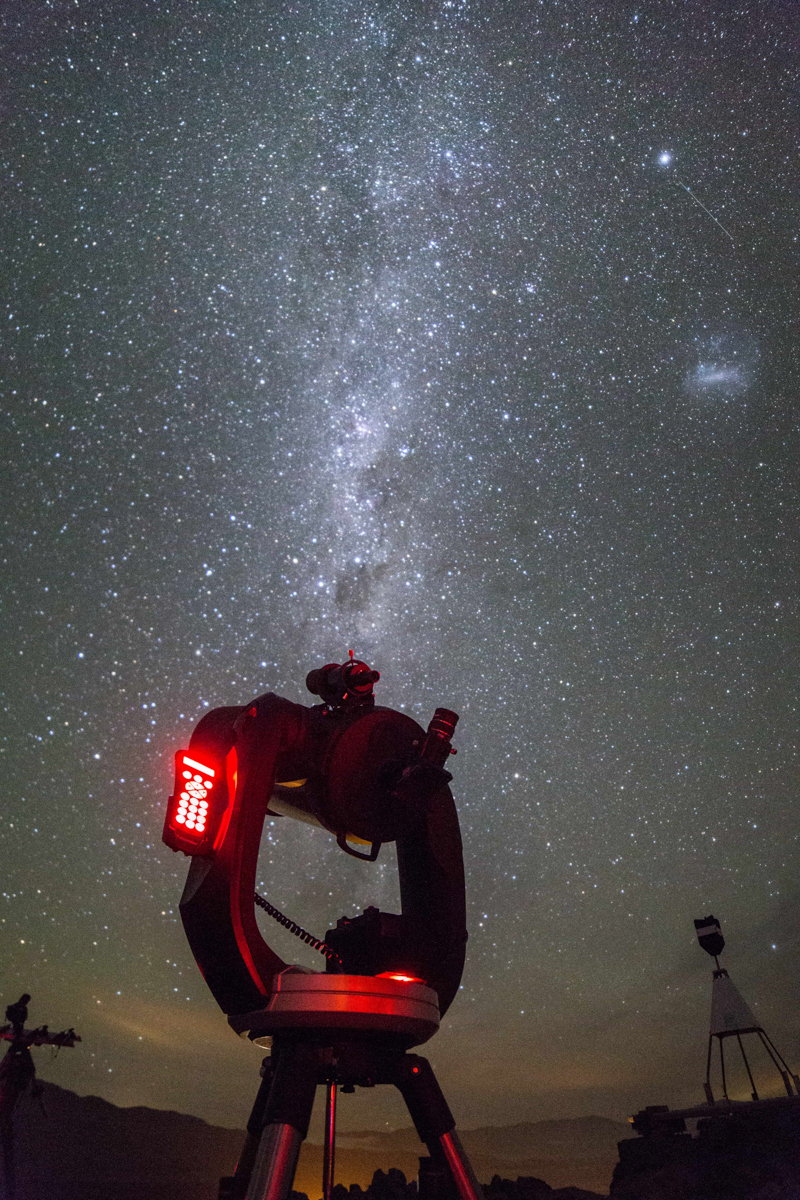
You’ll begin your journey at Dark Sky Project Base, where we transport you to the summit. Once there, you’ll be guided by our passionate astronomy experts who will take you deep into the cosmos - starting with the naked eye, before moving on to powerful telescopes, including a 16” telescope inside our private observatory dome. Alongside constellations, planets, and star clusters, you might even catch a glimpse of a distant galaxy.
The setting is as incredible as the sky itself - surrounded by world-renowned observatory domes and some of the darkest, clearest skies in the Southern Hemisphere. You'll gain a richer understanding of both Māori and Western knowledge systems, and leave seeing the stars in a whole new way.
The experience runs for one hour and 45 minutes and includes transport, guiding, and use of Extreme Cold Weather jackets to keep you warm. A moderate level of fitness is required, as you’ll need to walk 100 metres on a gravel incline and manage a few steps in the dark. Our guides are there to help, but if you think you may need a more accessible tour, check out our Crater Experience at Cowan’s Private Observatory.
In the case of bad weather, we invite you to join us on our Alternative Weather Experience - a premium, indoor astronomy journey designed exclusively for guests whose tours are impacted by cloud, wind, or adverse conditions.
What to Expect

Location
University of Canterbury Mt John Observatory, Mount John Summit, Lake Takapō

Stargazing
Using 16” telescopes, or observatory dome, and with the naked eye.

Minimum Age
10 years and above.

Length of Tour
1 hour 45 minutes

Tour Times
Various times throughout the year, depending on time of sunset. Available 7 days.
Tour Itinerary

Check In
Please check in at least 15 minutes before your tour time, at our Dark Sky Project Base.

ECW Jackets
We’ll loan you an extreme cold weather (ECW) jacket, to keep you warm on the mountain’s peak.

Transport From Base
We’ll take you on a comfortable 15-minute bus journey to the Mount John Summit.

Stargazing
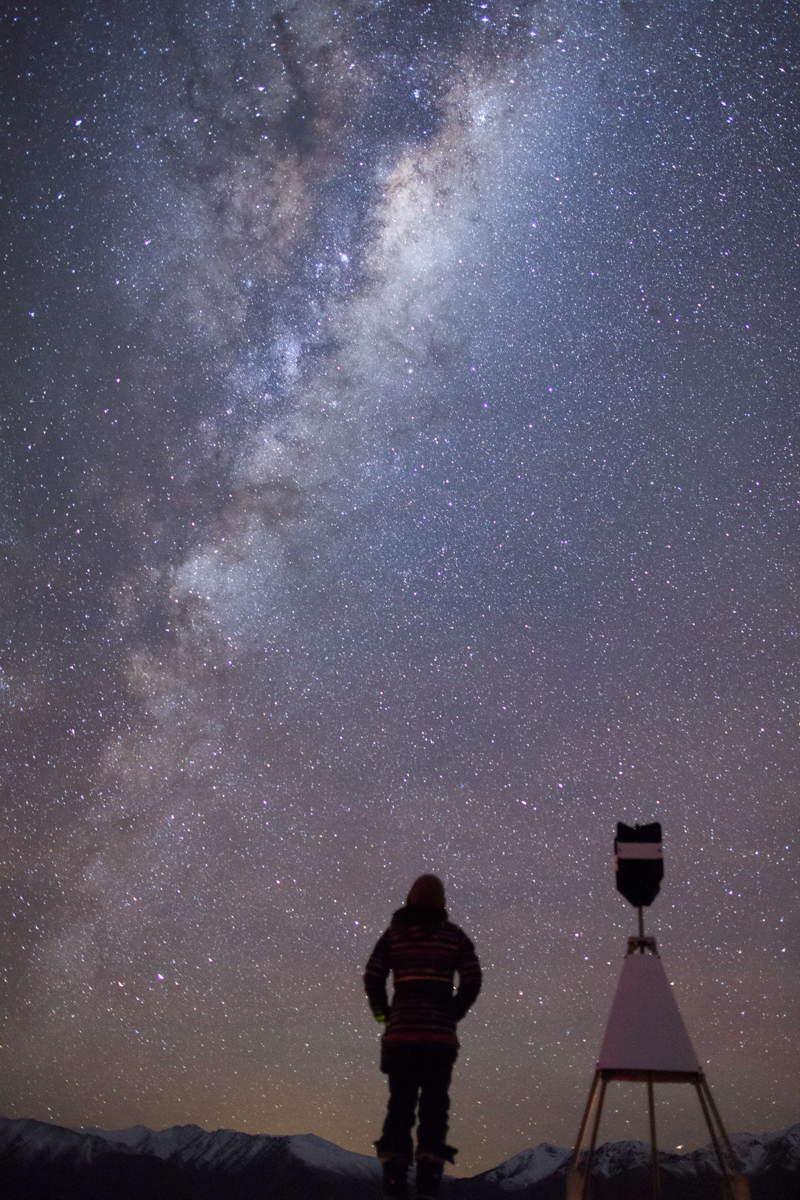
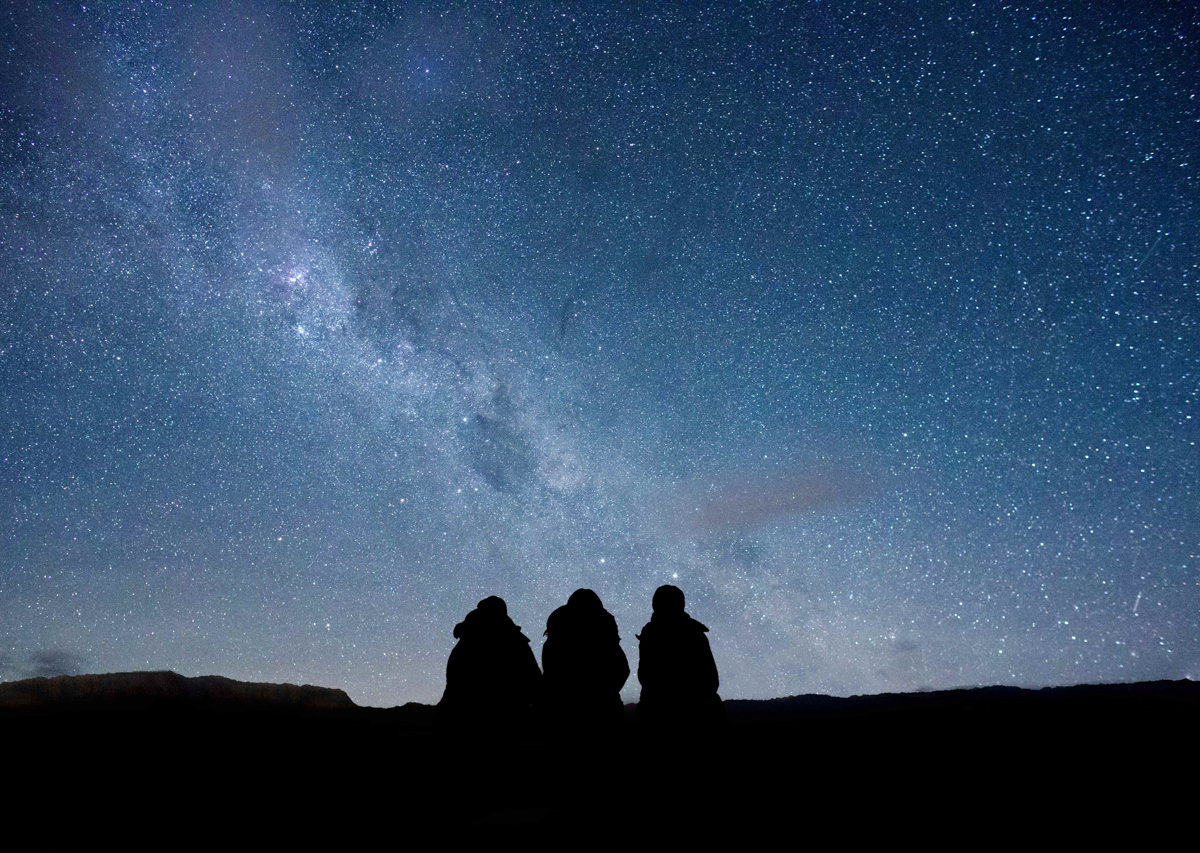
You’ll get the chance to stargaze with the naked eye (guided by the handheld lasers of our guides), powerful telescopes, and even through our Mount John Observatory dome.

Transport Back to Base
We’ll take you back on the bus to the Dark Sky Project base, where you started your experience.
Frequently Asked Questions
Summit Experience
Every season presents a unique stargazing opportunity, with winter months often providing ideal conditions for clearer and darker skies.
Please arrive at Dark Sky Project, 1 Motuariki Lane, 20 minutes before your tour begins. (Get Google Maps directions here.) From here we’ll take you to the Mount John Observatory, your portal to the stars.
Every night reveals something a little different, as our night sky continually changes across the seasons and even within a single evening, and weather or atmospheric conditions mean we can't guarantee exactly what you'll see. Our expert guides will make sure to choose the best objects to look at on any given night.
The visibility of celestial wonders like the Milky Way or Aurora Australis (Southern Lights) depends on several factors, including weather and moonlight. But each clear night offers its own breathtaking view of the cosmos.
Yes! But please ensure your camera's flash is off to maintain the observatory's dark environment. Our guides can also provide tips for capturing the night sky.
If conditions don’t allow for outdoor stargazing, we have you covered.
On these nights, you’ll be invited to take part in our specially curated alternative night‑time experience, designed exclusively for weather‑impacted guests. This immersive experience blends the best of Dark Sky Project’s astronomy storytelling, space science visuals, and expert guidance - ensuring your visit remains engaging, informative, and memorable.
If you’d prefer to experience the night sky outdoors at a later date, we’re happy to reschedule your tour (subject to availability). Alternatively, we can provide a voucher for future use or arrange a refund, if that better suits your plans.
Yes, same-day bookings are possible, but please note that spots are limited and often fill up quickly.
Please note that the Summit Experience is not currently wheelchair accessible. We are actively exploring ways to make our tours more accessible in the future. If you have any specific accessibility needs or questions, feel free to contact us in advance so we can assist with your visit.
The Summit Experience welcomes families with children aged 10 and above. For a more comfortable experience with younger children, you might like to try the Dark Sky Experience.
Dress for a night among the stars. The summit's altitude calls for warm clothing and sturdy footwear, regardless of the season. We’ll loan you an extreme cold weather (ECW) jacket, but it helps to start with something warm. Please avoid any clothing with lights or bright flashes.
Summit Experience Image Gallery